Do you want a haircut that looks sharp, smart, and easy to manage? The low taper fade quiff might be the perfect choice for you.
This haircut is short on the sides. It is longer on top. And it looks amazing on almost every face shape. That’s why so many men are asking their barbers for this style today.
In this article, we will explain everything about the low taper fade quiff. We will keep it simple. No hard words. No confusing steps. Just clear, easy information you can actually use.
Let’s understand this step by step.
What Is a Low Taper Fade Quiff?
A low taper fade quiff has two main parts.
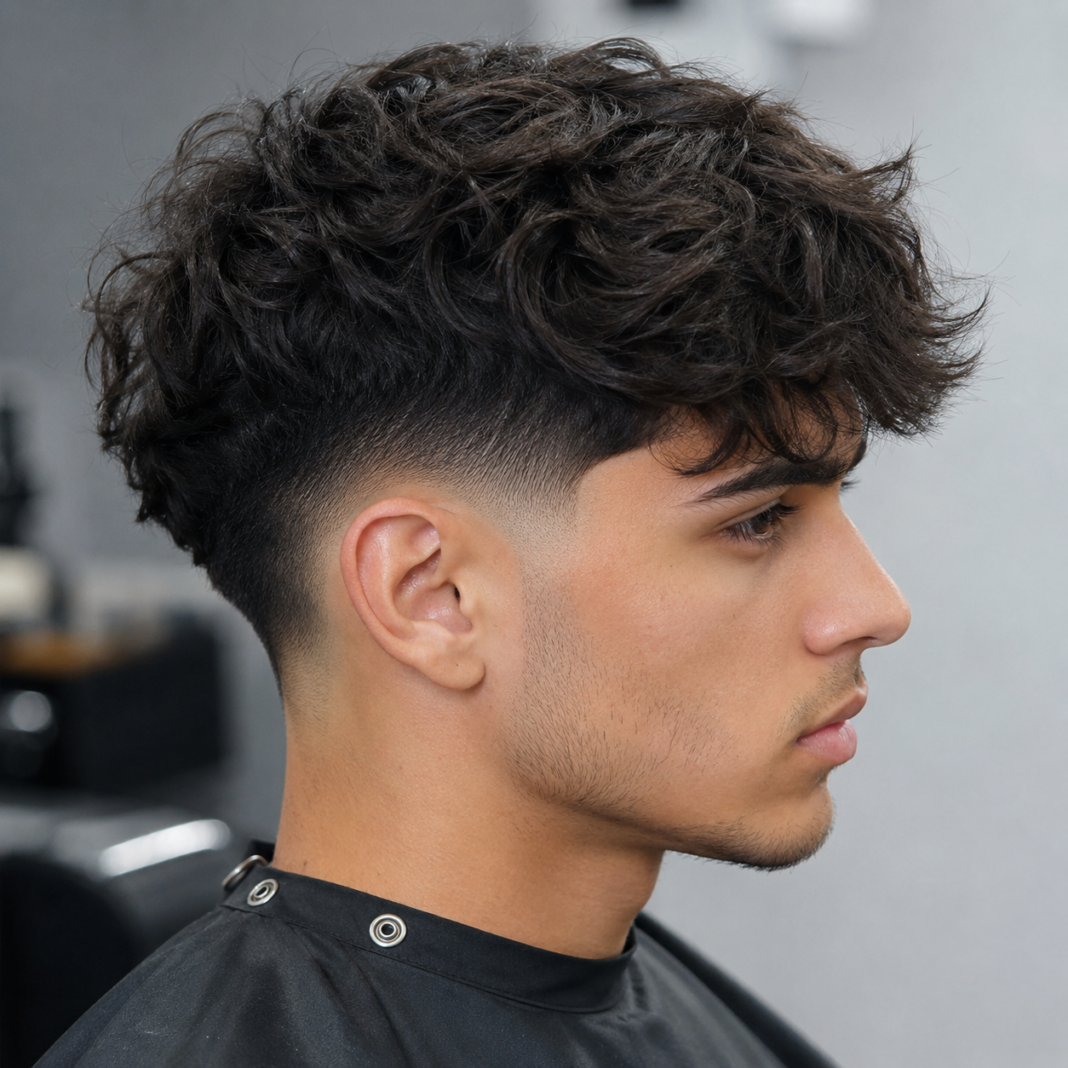
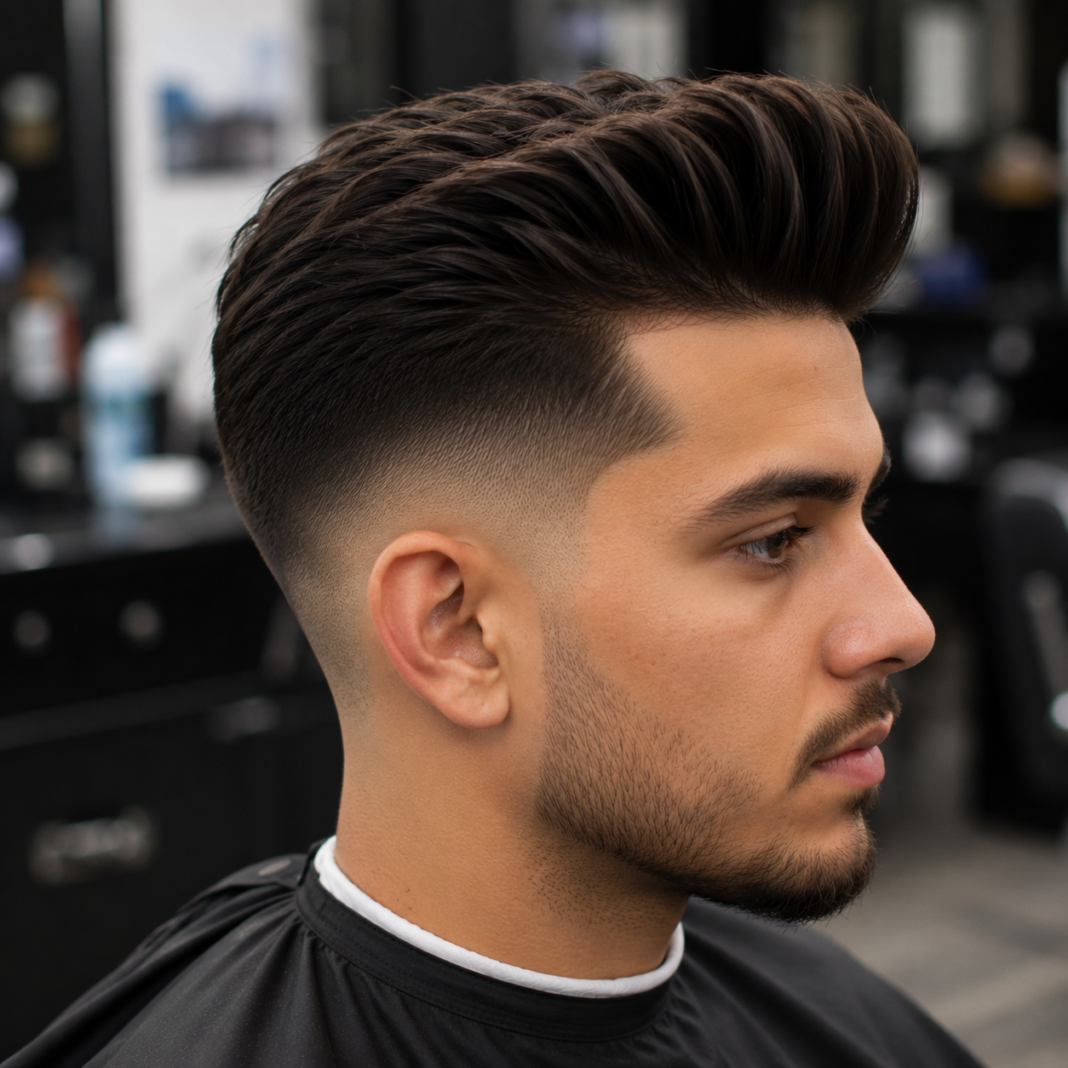
First, the fade. This is the short hair on the sides and back. In a low taper fade, the fade starts near the ears. It stays close to the skin at the bottom. Then it slowly gets longer as it moves up.
Second, the quiff. This is the hair on top. It is left longer. It is styled upward and slightly back. This creates height and volume on top of your head.
Together, these two parts make a haircut that looks neat on the sides and stylish on top. Simple, right?
Why Is the Low Taper Fade Quiff So Popular?
You may be asking, why do so many men love this haircut? Here are the real reasons.
- It looks professional. You can wear it to office, college, or a wedding.
- It is low maintenance. The sides stay short for weeks. You don’t need to cut hair every 10 days.
- It suits many hair types. Straight hair, wavy hair, and curly hair all work well with this cut.
- It suits many face shapes. Round face, square face, oval face — this style adjusts well to all.
- It gives a modern look. Many footballers, actors, and influencers wear this haircut today.
Think about it. Who doesn’t want a haircut that looks good and needs less work? That is exactly why this style is trending.
Low Taper Fade vs High Taper Fade: What’s the Difference?
Many people get confused here. Let’s clear it up.
- Low taper fade: The fade starts low, near the ears. It looks soft and subtle.
- High taper fade: The fade starts higher, near the temples. It looks bolder and sharper.
If you want a soft, classic look, go for the low taper fade. If you want a bold, edgy look, the high taper fade is better.
For office jobs or formal settings, the low taper fade quiff is usually the safer and smarter pick.
Who Should Get a Low Taper Fade Quiff?
This haircut works well for most men. But let’s break it down further.
Best Hair Types for This Cut
- Straight hair: Easy to style into a quiff. Holds shape well with light product.
- Wavy hair: Adds natural texture to the quiff. Looks stylish without much effort.
- Curly hair: Gives extra volume on top. Looks bold and full of character.
Best Face Shapes for This Cut
- Round face: The height on top makes your face look longer and sharper.
- Square face: The soft fade balances your strong jawline.
- Oval face: This is the easiest face shape. Almost any style works, including this one.
- Long face: Keep the quiff a bit shorter on top. This avoids adding too much extra height.
So really, most men can pull off this haircut with small adjustments from their barber.
How to Ask Your Barber for a Low Taper Fade Quiff
Going to the barber can feel confusing if you don’t know the right words. Here is exactly what to say.
- “I want a low taper fade on the sides and back.”
- “Keep the fade starting near my ears, not higher up.”
- “Leave enough length on top for a quiff, around 3 to 4 inches.”
- “Blend the top smoothly into the sides.”
- “Don’t cut the top too short, I want to style it upward.”
Simple words. Clear instructions. Your barber will understand exactly what you need.
How to Style a Low Taper Fade Quiff (Step by Step)
Getting the haircut is only half the job. Styling it right at home makes all the difference. Here’s how to do it.
Step 1: Wash and Dry Your Hair
Start with clean, towel-dried hair. Your hair should be damp, not soaking wet. This helps the product work better.
Step 2: Apply the Right Product
Use a small amount of styling product. Good choices are:
- Matte clay (for a natural, non-shiny look)
- Pomade (for shine and strong hold)
- Sea salt spray (for texture and volume)
Rub the product between your palms first. Then apply evenly through your hair.
Step 3: Blow Dry with a Round Brush
Use a round brush and blow dryer. Lift the hair at the roots. Direct it upward and slightly backward. This builds the quiff shape and adds volume.
Step 4: Shape the Quiff
Use your fingers or a comb. Push the hair up and back. Create height near the front. Keep it smooth on the sides where the fade is.
Step 5: Set with Light Hairspray (Optional)
If you want the style to last all day, use a light hairspray. This locks the shape in place without making it feel stiff.
That’s it. Five simple steps, and you’re ready to go.
How Often Should You Get This Haircut Redone?
The fade grows out faster than the top. Here is a simple guide.
- Every 2 to 3 weeks: Best for keeping the fade sharp and clean.
- Every 4 weeks: Still looks good, but the fade line softens a bit.
- After 5 weeks: The sides start blending with the top. Time for a fresh cut.
Regular trims keep this haircut looking its best. Skipping trims makes it lose its shape.
Other Popular Variations You Can Try
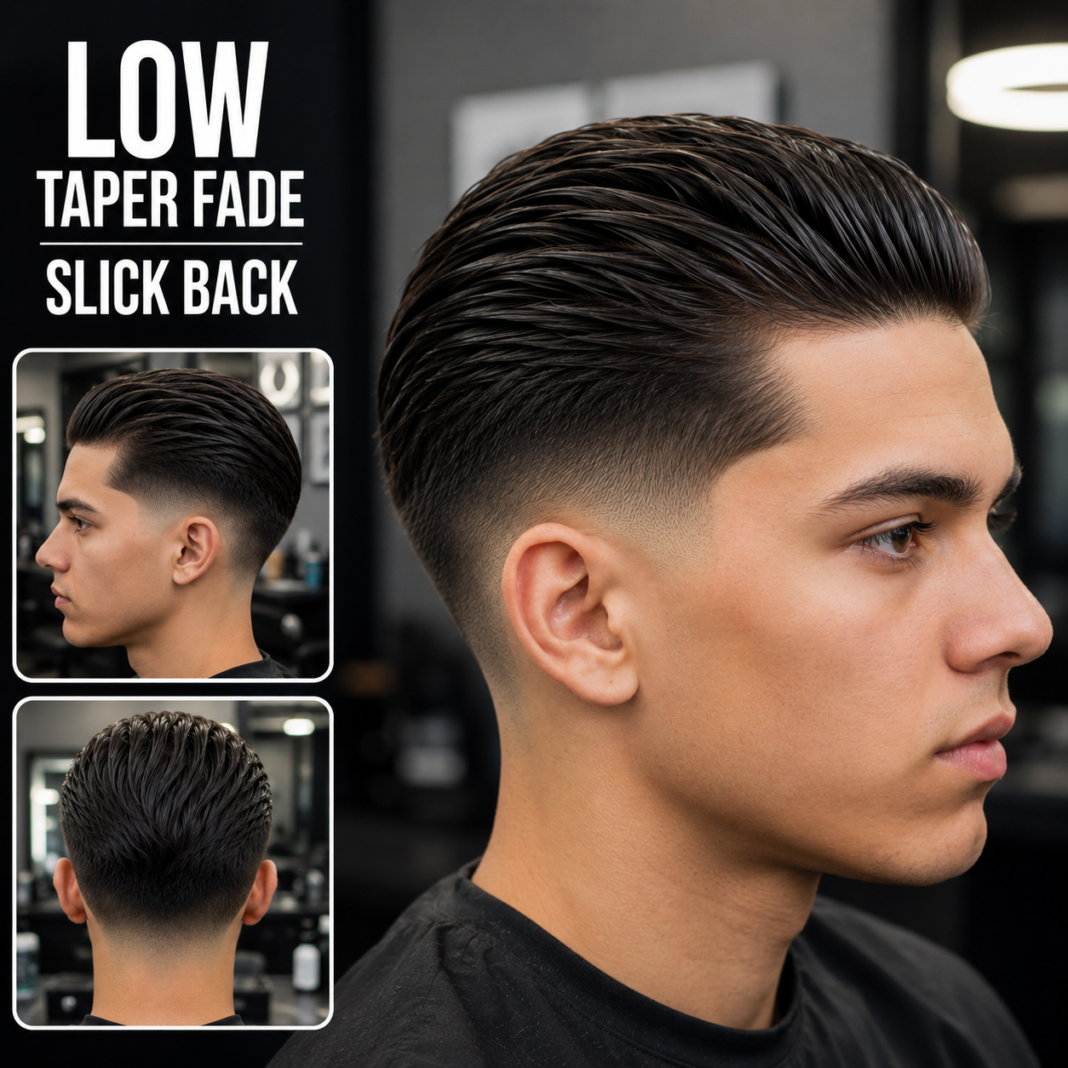
The low taper fade works well with many top styles, not just the quiff. If you want to explore other looks, you can also try a Low Taper Fade Comb Over for a sleek, side-swept finish, or a Low Taper Fade Slick Back for a bold, polished look. Both keep the same clean fade but change the top styling completely.
Common Mistakes to Avoid
Even a great haircut can go wrong with small mistakes. Watch out for these.
- Using too much product. This makes hair look greasy, not styled.
- Skipping regular trims. The fade grows out and loses its sharp look.
- Wrong barber instructions. Always be clear about where the fade should start.
- Ignoring hair type. Curly hair needs different products than straight hair.
- Styling wet hair only. Always dry your hair properly before final styling.
Avoiding these small mistakes keeps your haircut looking fresh every day.
Is the Low Taper Fade Quiff Good for Beginners?
Yes, it is one of the easiest modern haircuts to manage.
Here’s why it works well for first-timers:
- The sides stay short, so there is little daily styling needed there.
- The top only needs a comb, some product, and two minutes of your time.
- It grows out nicely, so you won’t panic if you’re a few days late for a trim.
If this is your first time trying a fade haircut, this style is a safe and stylish starting point.
Final Thoughts
The low taper fade quiff is more than just a trend. It is a smart, stylish, and practical haircut choice.
It suits many face shapes. It works with different hair types. And it looks good whether you’re heading to work, college, or a party.
Talk to your barber using the simple tips above. Style it at home with the easy steps we shared. And don’t forget regular trims to keep that fade looking sharp.
Ready to try it? Your next great haircut is just one barber visit away.
Frequently Asked Questions
Does the low taper fade quiff suit thin hair?
Yes. In fact, it can help. The added height on top creates the appearance of thicker, fuller hair.
Can I get this haircut with a beard?
Absolutely. A low taper fade pairs very well with a well-groomed beard. Ask your barber to blend the fade smoothly into the beard line.
How long does it take to style every morning?
Usually just 2 to 3 minutes once you know your routine. It gets faster with practice.
Is this haircut good for the gym or sports?
Yes. The short sides stay neat even after sweating. A light touch-up with your fingers is often enough after a workout.