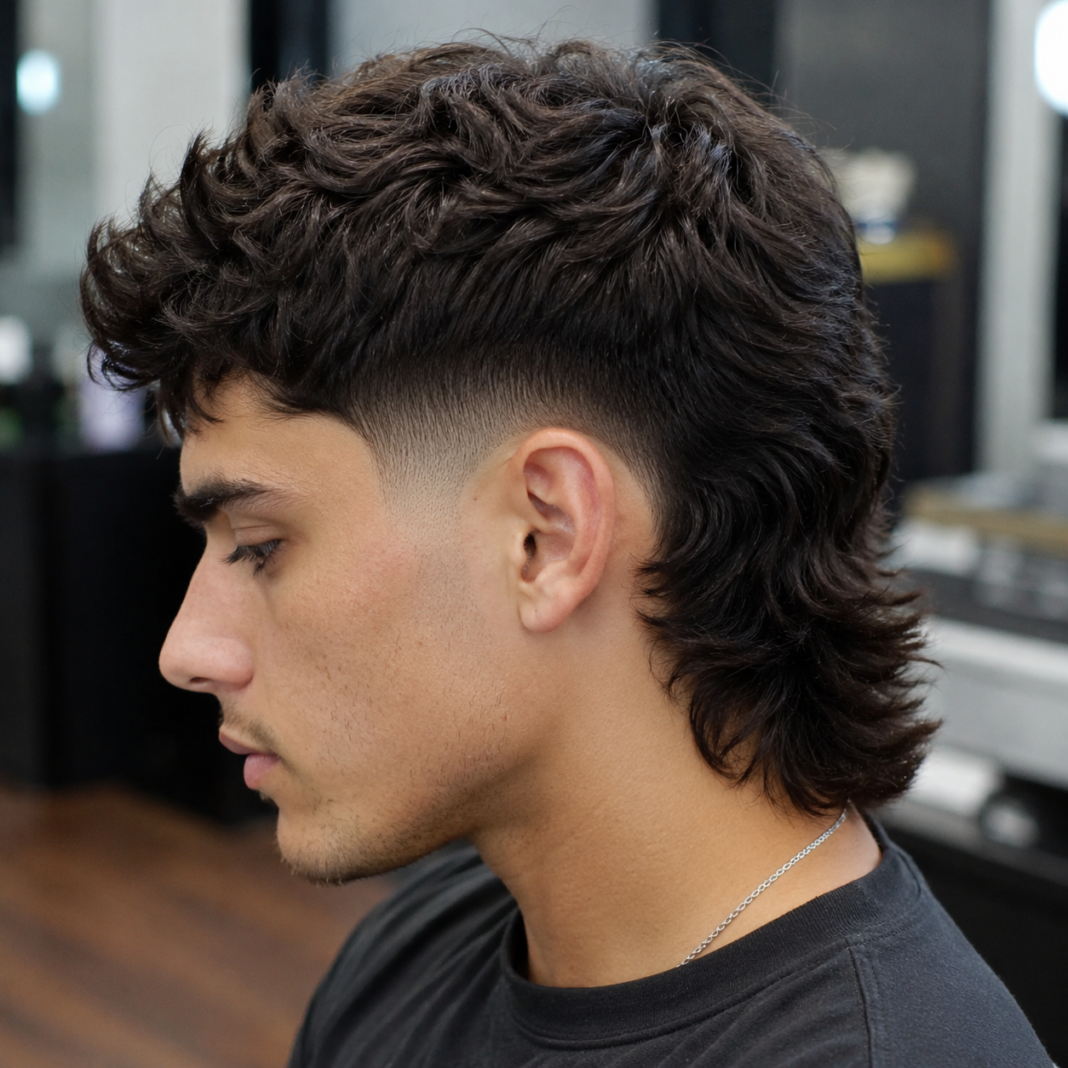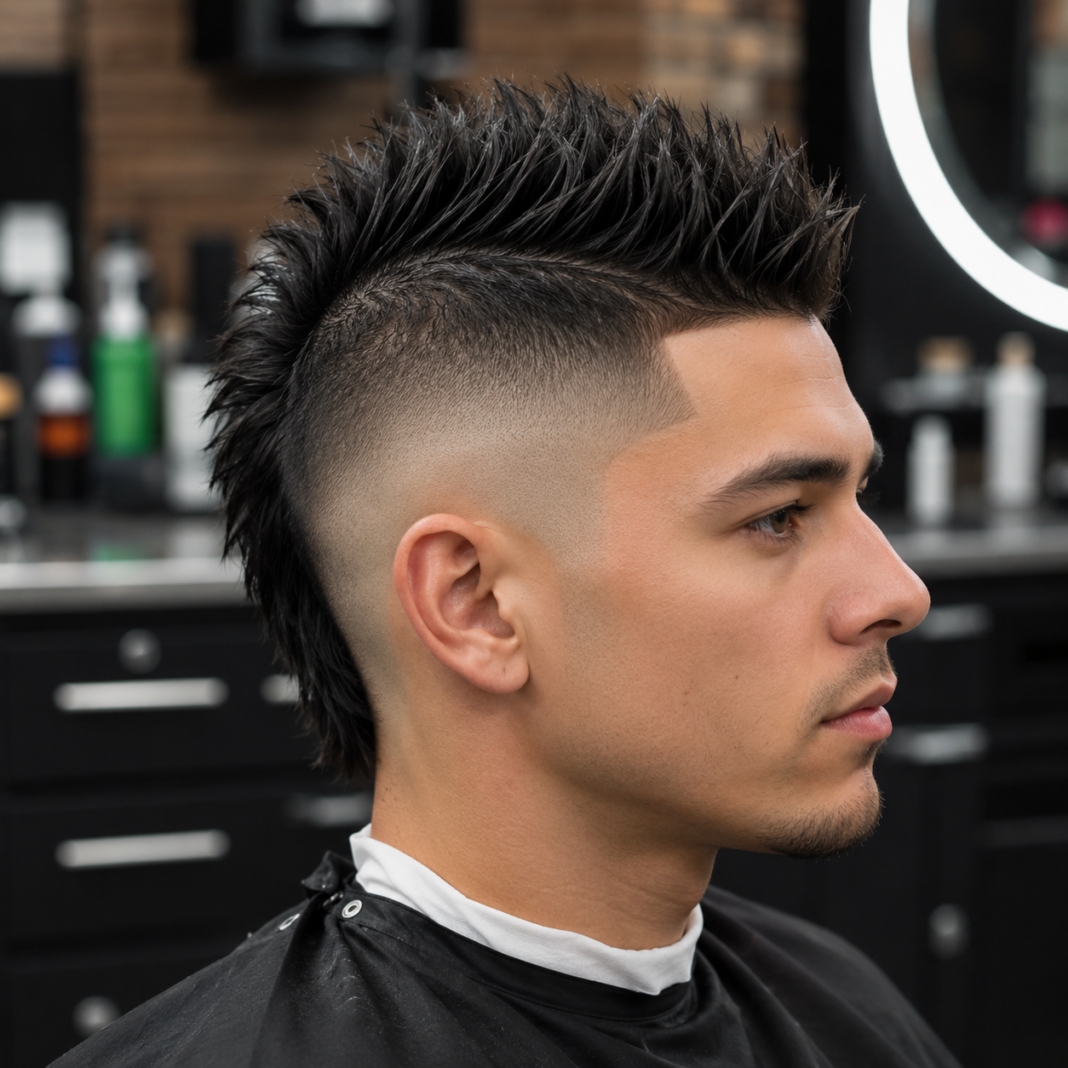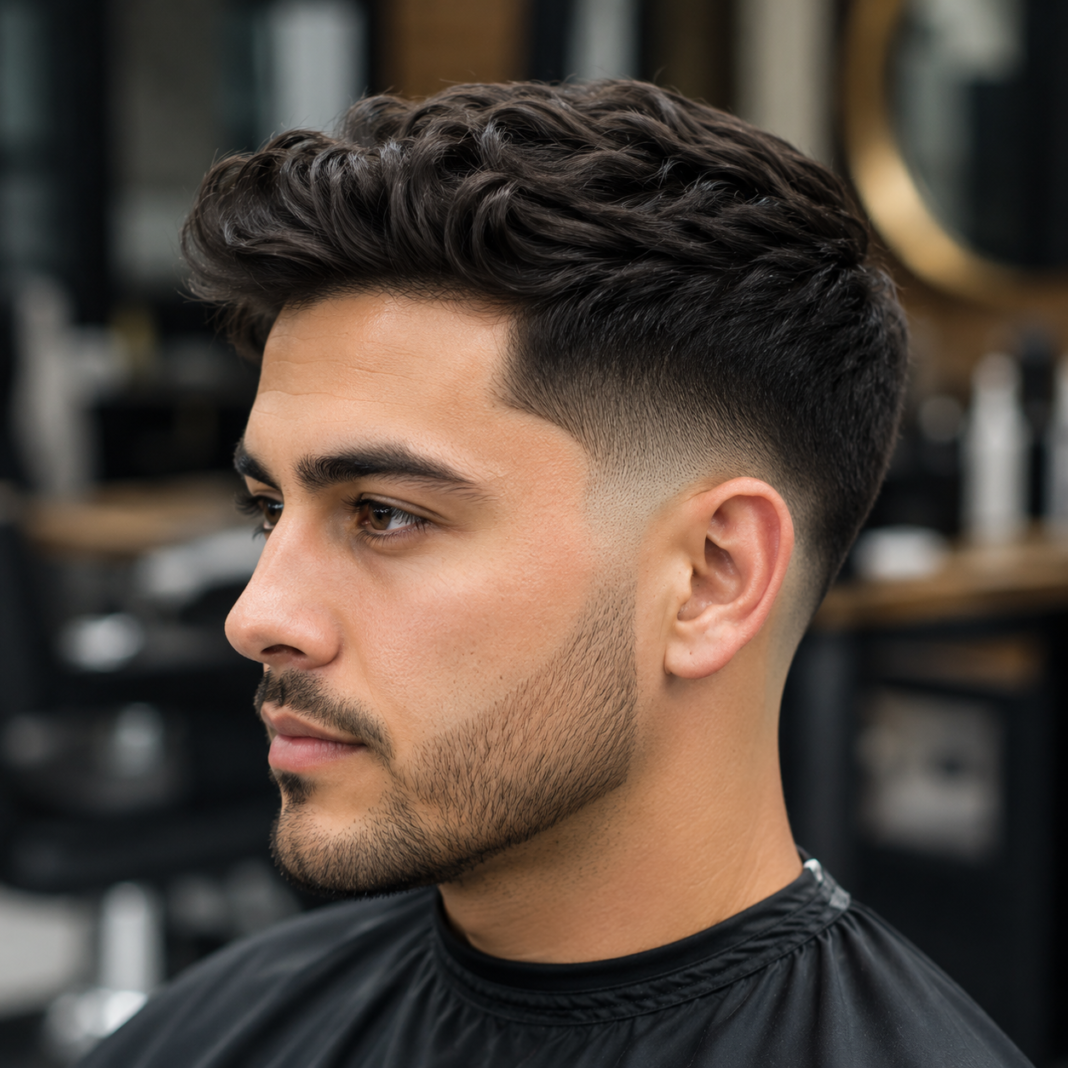
So you’ve seen guys walking around with that super clean cut on the sides — where the hair kind of disappears near the temples? That’s a temple fade, and trust me, it’s one of the best haircuts you can get right now.
It works for almost every hair type. It looks fresh. It’s easy to maintain. And barbers love doing it because it shows off their skill.
In this article, we’re going to break it all down for you — what a temple fade actually is, the different types, how it’s done, and how to pick the right one for your face. Let’s get into it!
What Is a Temple Fade?
A temple fade is a type of haircut where the hair at your temples (that’s the area right beside your eyes, near your ears) is gradually cut shorter and shorter until it blends into the skin.
Think of it like a sunset. The hair goes from longer at the top to shorter on the sides, and then it just fades out near the temples.
It’s different from a full fade because the temple fade only focuses on the temple area — not the whole side of your head. That’s what makes it special. It’s a smaller, more detailed cut.
Barbers also call it a temp fade, and some people say Brooklyn fade too. All the same thing, just different names.
Why Is Everyone Getting a Temple Fade?
Good question! Here’s why this cut is so popular right now:
- It makes your face look sharper. The clean fade near the temples defines your jawline and makes your whole face look more structured.
- It works with almost any hairstyle on top. You can keep the top long, curly, wavy, or straight — the fade just cleans up the sides.
- It’s low maintenance. Once you get it done, it stays looking clean for longer than most cuts.
- It suits every face shape. Round face, oval face, square face — the temple fade looks good on all of them.
- It works for all hair types. Whether your hair is straight, wavy, or coily, a temple fade can be adapted for you.
No wonder it’s one of the most requested haircuts at barbershops right now!
Different Types of Temple Fade
Not all temple fades are the same. There are a few different versions, and each one gives a slightly different look. Let’s check them out.
Low Temple Fade
This is the most subtle version. The fade starts very low — almost at the bottom of your temples. It gives a clean but not-too-dramatic look.
It’s great if you want something professional and neat. A lot of guys prefer this for work or school because it’s clean without being too flashy.
High Temple Fade
This one starts higher up on the temples. The skin shows more on the sides, which creates a stronger contrast with the longer hair on top.
If you want something bold and eye-catching, the high temple fade is a great choice. It gives your hair more height and makes the top look even bigger.
Mid Temple Fade
Right in the middle — not too low, not too high. The mid temple fade is the most balanced option.
It gives you that clean, fresh look without being too dramatic. This is the one most barbers recommend for beginners because it works for nearly everyone.
Skin Temple Fade (Bald Fade)
This is the most defined version. The fade goes all the way down to the skin near the temples. Zero hair. Completely smooth.
It creates a super sharp and clean line. If you love a really crisp, polished look — this one’s for you.
Taper Temple Fade
This is a softer version. Instead of a sharp fade, the hair gradually gets shorter without going all the way to the skin.
It’s perfect if you want to keep some hair on the sides but still get that neat, tapered look. A taper gives more coverage but still looks really clean and intentional.
Temple Fade vs Regular Fade — What’s the Difference?
People confuse these two a lot, so let’s clear it up.
A regular fade (like a low fade or high fade) goes around the whole head — the sides AND the back. It’s a bigger cut.
A temple fade only focuses on the temple area — just the sides near your forehead and ears.
So here’s the easy way to remember it: a temple fade is a more precise and targeted version of a fade. It’s like zooming in on just that one section.
Some guys get both! They get a full fade around the back AND a temple fade at the front. That gives a super polished, all-around clean look.
Temple Fade with Different Hairstyles
One of the coolest things about a temple fade is how well it pairs with different hairstyles. Let’s look at some great combinations.
Temple Fade with Curls
If you have natural curls or a curly top, adding a temple fade to the sides gives your hair amazing shape and volume. The curls pop even more when the sides are clean and faded.
Temple Fade with Dreads
A temple fade with dreadlocks is a super popular combo right now. The dreads stay on top while the sides are clean. It’s a bold and stylish look that a lot of guys are rocking.
Temple Fade with Waves
360 waves look even better when paired with a temple fade. The waves stay on top and the faded temples make the whole hairstyle look sharp and intentional.
Temple Fade with a Hard Part
A hard part is a shaved line that separates the top of your hair from the fade. When you add this to a temple fade, it gives a super defined, barber-level finish.
Temple Fade and the Mullet Taper Fade Connection
Here’s something interesting — if you love styles that mix different lengths, you might also want to check out the mullet taper fade. It’s a style that blends the classic mullet look with a tapered fade on the sides. Just like the temple fade, it plays with length and contrast. Both styles use the fade technique in creative ways to build a unique look. So if you’re someone who likes to experiment, knowing both cuts gives you a lot of options to work with.
Temple Fade with a Mohawk Fade
Another amazing combo is the mohawk fade. This is where the hair runs in a strip from the front to the back of the head — like a mohawk — while the sides are completely faded. When you combine mohawk-style volume on top with a sharp temple fade on the sides, you get one of the most head-turning haircuts out there. It’s bold, it’s clean, and it shows serious barber skill.
How Does a Barber Do a Temple Fade?
Let’s take a quick look at what actually happens when you sit in that barber chair. Understanding the process helps you know what to ask for.
Step 1 — Consultation. Your barber will ask what kind of fade you want and where you want the line to start.
Step 2 — Setting the base. The barber clips down the sides to a general length first using clippers.
Step 3 — Building the fade. Using different clipper guards (from higher numbers to lower ones), the barber slowly blends the hair at the temples to create that smooth gradient.
Step 4 — Defining the line. A straight razor or trimmer is used to make the temple line crisp and clean. This is what separates a great fade from an average one.
Step 5 — Final touches. The barber shapes the top of your hair and cleans up any strays.
The whole thing usually takes 20 to 45 minutes depending on how detailed you want it.
How to Ask for a Temple Fade at the Barbershop
A lot of people feel nervous asking for a cut because they don’t know the right words. Here’s a simple script you can use:
“Hey, can I get a temple fade? I want a [low/mid/high] fade at the temples, and I want the top to stay [short/medium/long]. Can you also give it a [hard part/clean line/taper]?”
That’s it. If you have a photo on your phone, just show it. Barbers love when you bring pictures — it takes the guesswork out of it.
How to Take Care of Your Temple Fade
You’ve got the cut. Now you need to keep it looking fresh. Here’s what you need to know:
Get a touch-up every 2–3 weeks. Fades grow out fast. To keep that sharp look, you need to visit your barber regularly. Some guys go every two weeks to keep it tight.
Use a good moisturizer on your scalp. Where the skin shows near the temples, it can get dry. A light moisturizer keeps it looking healthy and smooth.
Keep the rest of your hair clean. Wash your hair 2–3 times a week. A clean scalp makes your fade look even better.
Use edge control or pomade if needed. If your hair type needs it, a small amount of edge control along the temple line keeps it looking defined between cuts.
Avoid heat damage. If you use a hair dryer or straightener, be careful near the faded areas. Too much heat can damage the scalp and hair follicles.
Who Should Get a Temple Fade?
Honestly? Almost anyone. But here are some situations where a temple fade is the perfect choice:
- You want a clean look but don’t want to cut all your hair short
- Your hair is growing out and you want to keep it neat in the meantime
- You want to add more shape to your face
- You’re trying a new hairstyle on top and want the sides to look polished
- You’re going somewhere important and want to look your best
If you’re trying a fade for the first time, the temple fade is actually one of the best starting points. It’s not too extreme, so it’s a great way to ease into the world of fades.
Common Mistakes to Avoid
Let’s be real — sometimes things go wrong. Here are a few things to watch out for:
Going too high too soon. If you’re new to fades, don’t jump straight to a skin-level high temple fade. Start with something lower and see how you like it.
Not telling your barber exactly what you want. Barbers are skilled, but they’re not mind readers. Be specific. Bring a reference photo if you need to.
Skipping touch-ups. A grown-out fade just looks messy. Keep up with your appointments.
Using too many products. Less is more. A small amount of product goes a long way near the temple area.
Conclusion
So there you have it — everything you need to know about the temple fade.
It’s a versatile, clean, and stylish haircut that works for basically anyone. Whether you pair it with curls, dreads, waves, or even mix it with styles like the mohawk fade or the mullet taper fade, you’re going to look fresh every single time.
The best part? It’s not complicated. Just find a good barber, know what you want, and keep up with your touch-ups.
If you haven’t tried a temple fade yet — what are you waiting for? Walk into that barbershop and come out looking like a whole new person.
Frequently Asked Questions About Temple Fade
How long does a temple fade last?
Usually about 2–3 weeks before it starts to grow out noticeably. High fades and skin fades tend to grow out faster.
Is a temple fade good for thick hair?
Yes! Thick hair actually holds the fade shape really well. Your barber might take a bit more time, but the result usually looks amazing.
Can I get a temple fade with a beard?
Absolutely. A temple fade pairs very well with a beard. The fade on the sides contrasts nicely with the beard on your face and creates a very clean, masculine look.
Does a temple fade hurt?
Not at all. Clippers and trimmers don’t hurt. Some people feel a little ticklish during the fading process, but that’s about it.
Is a temple fade the same as a taper fade?
Not exactly. A taper fade covers more of the side and back of the head. A temple fade is more specific to the temple area. That said, they’re often done together.
Updated and verified by expert barbers and hairstyling professionals to ensure accurate, trustworthy content.